Is Being a Barber Worth It in 2026?
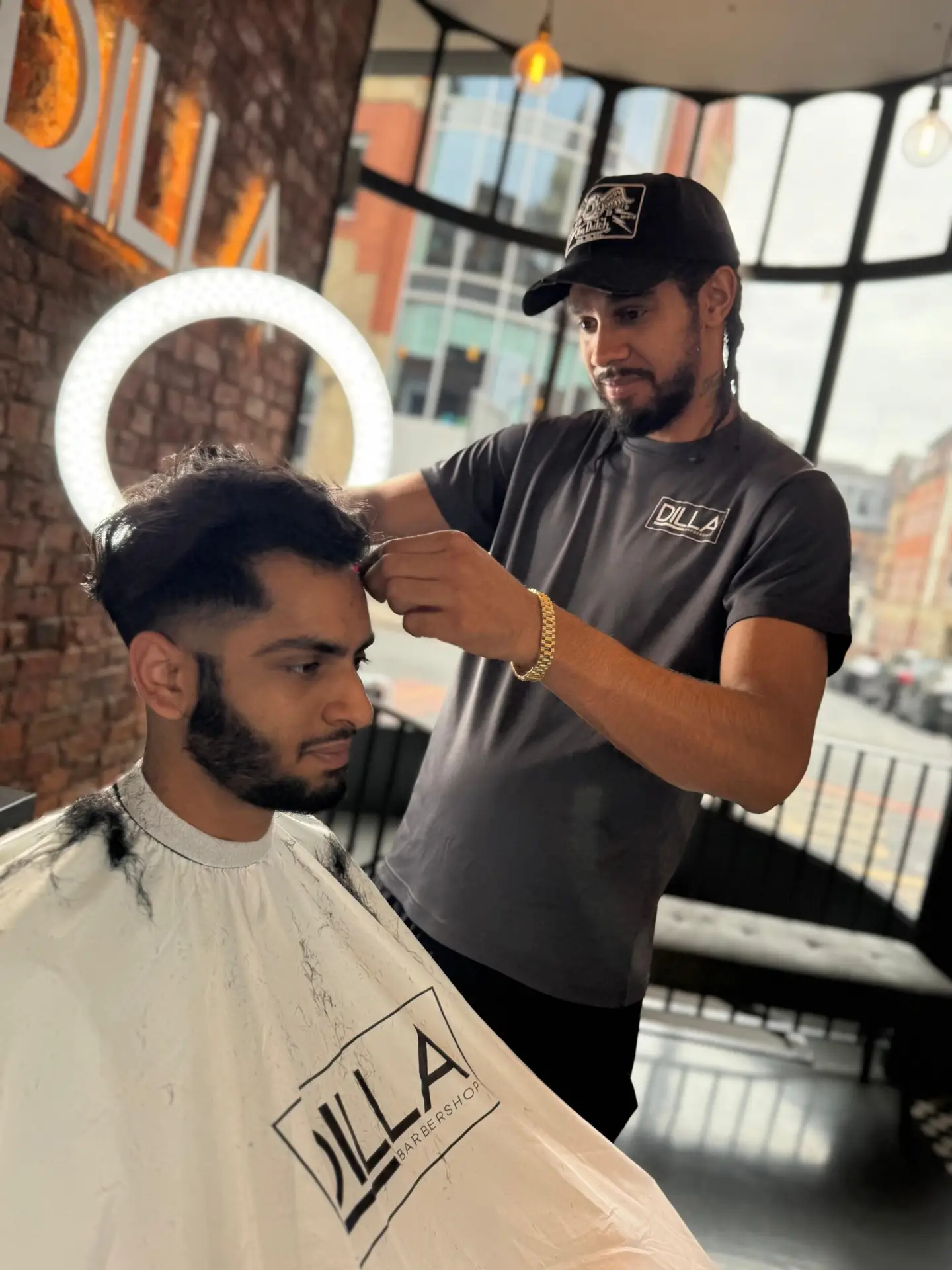
Barbering looks good on Instagram. Clean fades, a busy chair, a steady stream of regulars. But if you're actually weighing up training as a barber, you want more than good lighting and a nice apron, you want to know what it pays, what it costs to get there, and whether the maths genuinely works out. Here's a straight answer, built on real UK earnings data for 2026.
How Much Do Barbers Actually Earn in the UK?
The honest answer is: it depends almost entirely on whether you're employed or working for yourself. Averaging the two together, the way a lot of salary sites do, hides the real picture.
| Barber Type | Typical Annual Earnings |
|---|---|
| Employed, junior (1–3 years) | £18,000 – £24,000 |
| Employed, senior (3+ years) | £24,000 – £32,000 |
| Self-employed, chair rent model | £30,000 – £45,000 |
| Shop owner, multiple chairs | £60,000 – £100,000+ |
Employed vs. Self-Employed: Where the Real Money Is
Employed roles are predictable. You get a set wage, sometimes plus tips, and someone else worries about rent, bookings and marketing. It's a sensible place to start, and it's exactly where most newly qualified barbers begin, building speed and confidence on real clients before going any further.
But it's also a ceiling. Employed pay stays fairly flat because you're being paid a wage or a commission split, not the full value of your chair. Self-employed barbers, whether renting a chair or running their own shop, keep far more of what they charge. That's why most barbers who stay in the trade long-term move toward self-employment once they've built a client base worth taking with them.
This isn't a knock on employed work, it's simply where the ceiling sits. If the goal is to maximise earnings, self-employment is where the numbers change.
What It Actually Costs to Train
At Dilla Academy's NVQ Level 2 Barbering course, training costs £3,000 and runs over 16 weeks, combining theory with genuine hands-on experience on real clients rather than mannequins alone.
Set against even the lower end of self-employed earnings (£30,000 a year), that's a cost that's realistically recoverable within the first year of working, sooner if you move quickly toward chair rent or subscription-style client retention. We also offer flexible finance and payment plans, including interest-free monthly instalments, so the £3,000 doesn't have to be paid upfront to get started.
What Affects Your Earning Potential
A few practical factors decide where you land within these ranges:
Location. City-centre pricing and footfall (Manchester included) generally outperforms smaller towns, though cost of living eats into some of that gap.
Client retention. Barbers who convert regulars into repeat, predictable bookings, rather than relying on walk-ins, build a far more stable income than those who don't.
Specialising. Strong fade work, beard detailing, or a specific style niche lets you position as a specialist rather than competing purely on price.
Modern booking habits. Online booking and automated reminders reduce no-shows and free up time that would otherwise go to admin and back-and-forth messaging.
Is It Worth It? Our Take
Financially, yes, if you treat it as a business rather than just a trade. Employed barbering is a solid, sensible way in, but it's a stepping stone, not the destination. The real earning potential in barbering sits with self-employment and, eventually, running your own chairs. Go in with that plan from day one, and the numbers work strongly in your favour.
FAQ
How much do barbers earn per year in the UK?
It ranges widely: roughly £18,000 to £24,000 for junior employed barbers, up to £100,000+ for shop owners with multiple chairs. Self-employed barbers typically sit in the £30,000 to £45,000 range.
Is barbering a good career for the long term?
Yes, particularly for those who move toward self-employment or shop ownership once qualified. It's a trade with consistent demand and genuine room to build a business, not just a job.
How long does it take to become a qualified barber?
Our NVQ Level 2 Barbering course runs over 16 weeks, combining theory and hands-on training on real clients.
Do I need experience to start training?
No. Our courses are designed for complete beginners as well as those with some experience looking to gain a formal qualification.
Can you make £100k a year as a barber?
Yes, but realistically only as a shop owner running multiple chairs, where earnings can reach £60,000 to £100,000 or more before tax. A single self-employed barber renting one chair is more likely to earn £30,000 to £45,000. £100k is achievable, but it's a business-ownership outcome, not a solo-chair one.
Are barbers in demand in the UK?
Yes. Barbering has consistently been one of the fastest-growing categories on the UK high street, with total shop numbers climbing toward 19,000 in recent years, driven by steady demand for regular grooming and shorter visit cycles than traditional hairdressing.
Are barbershops declining?
No, the opposite. While traditional combined hair salons have faced closures in recent years, dedicated barbershops have kept growing, posting a net increase in high street units and continued year-on-year growth in market size.
Is being a barber worth it in 2026?
Yes, particularly if you're prepared to move toward self-employment or shop ownership once qualified. Demand for barbering remains strong, training costs are recoverable within a year or two of steady self-employed work, and the earning ceiling is significantly higher than an employed wage alone.
Ready to Start Training?
Our NVQ Level 2 Barbering course gives you the skills, qualification and hands-on experience to build a real career, with flexible ways to pay so cost doesn't have to hold you back.